
Installing an interior door seems simple, after all, it’s just a slab, a frame, and some hardware. But in reality, door installation is one of the most common DIY tasks that goes wrong, especially when homeowners are working with prehung doors, aging door frames, or uneven drywall. Even small inaccuracies can lead to sticking, rubbing, drafts, squeaks, or doors that never quite close properly.
Whether you’re installing a new door during a renovation or upgrading old builder-grade models, understanding the most common door installation mistakes can save time, money, and frustration. Here’s what you need to know and how to avoid the pitfalls.
1. Ignoring the Door Rough Opening
One of the biggest issues homeowners run into is assuming their door rough opening is square and consistent. In older homes, framing often shifts over time. Even in newer builds, drywall, flooring, or trim changes can alter the opening.
Common mistake:
Installing a door without verifying the rough opening is plumb, level, and wide enough for the jamb.
What happens:
- The door rubs or sticks
- Gaps appear on one side of the jamb
- The latch won’t align with the strike plate
- The entire frame can sit crooked
How to avoid it:
Measure the rough opening in three places, top, middle, and bottom, and check all surfaces with a level. You want the opening to be roughly 2″ wider and 1-1/2″ taller than the door size for a proper fit.
2. Relying Too Much on the Prehung Door
Prehung doors are popular because they come with the hinges and frame already attached. But a major misconception is that a prehung door automatically guarantees a perfect install. In reality, the frame must still be shimmed properly and levelled within the opening.
Common mistake:
Dropping a prehung unit into the opening and assuming the factory alignment solves everything.
What happens:
- The door swings open or closed on its own
- Uneven reveals around the door
- Binding at the latch or top corner
How to avoid it:
Always set the hinge side first. Shim behind every hinge. Check reveals as you work, not after. Think of the prehung unit as a starting point, not a finished solution.
If you’re looking for alternatives, slab doors installed into an existing frame can offer more control, especially if you already have a solid, square door frame or want to keep your existing craftsman trim, casing, or millwork.
3. Poor Shimming (or Not Enough of It)
Shims aren’t optional. They’re essential. Many homeowners under-shim or over-shim, creating tension that distorts the jamb.
Common mistake:
Only placing shims at the latch or hinge areas.
What happens:
- Door rattles
- Jamb bows inward
- The strike plate no longer lines up
- The door feels wobbly when opened
How to avoid it:
Shim at every hinge and latch point, plus the midpoint of each jamb. When in doubt, use more shims, not fewer. Then trim them cleanly before casing the door.
4. Not Accounting for Flooring Changes
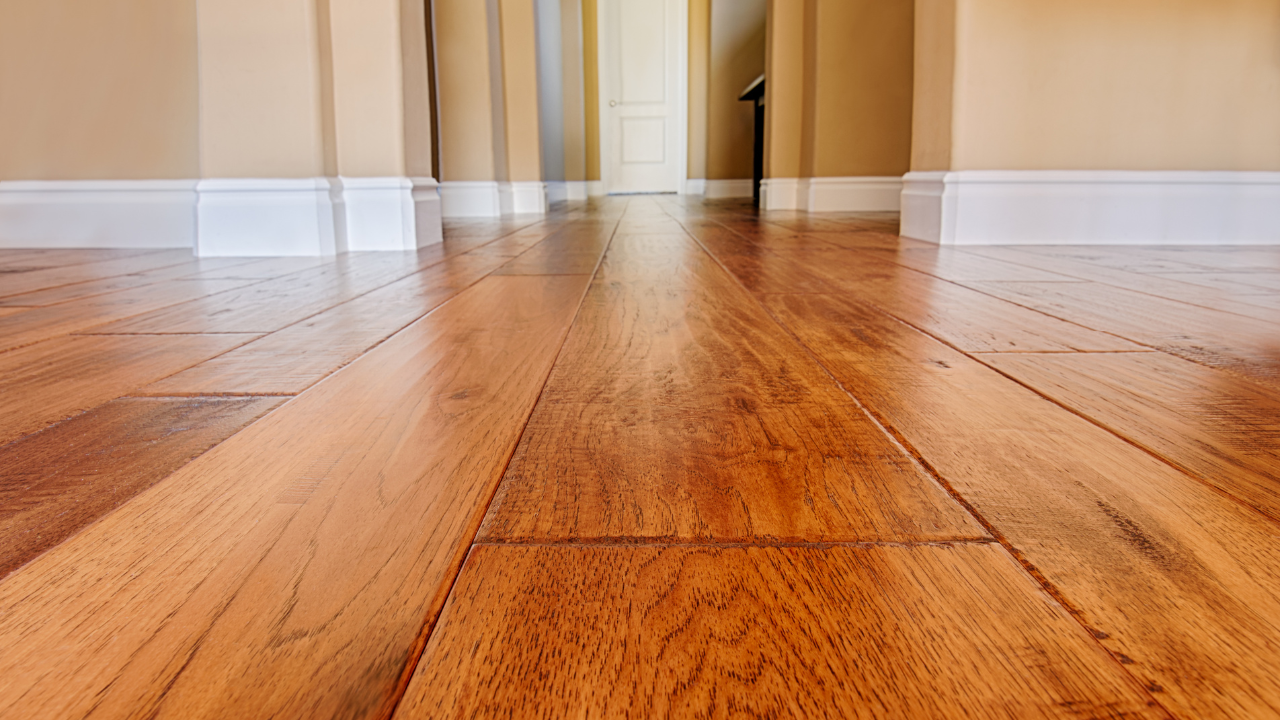
This comes up frequently when homeowners replace laminate flooring, tile, or carpet after a door is already installed.
Common mistake:
Setting the door height without considering future flooring thickness.
What happens:
- The door drags on thicker flooring
- There’s too much gap under the door after installing thinner flooring
- Sound transfer or privacy becomes an issue depending on the gap size
How to avoid it:
Before installing a door, consider the final flooring height, even if you’re not installing it right away. Royal Door often recommends leaving a minimum of 1/2″ to ¾” clearance, depending on the room type.
5. Using the Wrong Fasteners or Incorrect Number of Hinges
Fastener choice matters. Using the wrong screws or putting them in the wrong place can warp the jamb or weaken the frame.
Common mistake:
Nailing the jamb too close to the edges or not using a minimum of 3 hinges.
What happens:
- Hinges loosen over time
- The door frame twists
- The doors can sag
- Nails pop through trim
How to avoid it:
Use all the screws provided in the hinge packs. Ensure that you are using a minimum of 3 hinges for doors under 84” tall and 4 hinges for doors over that height.
6. Poor Alignment of the Strike Plate
Even if everything else is perfect, a poorly placed strike plate will make the door feel cheap and poorly installed.
Common mistake:
Aligning the strike plate visually instead of based on latch engagement.
What happens:
- The door won’t latch without force
- Rattling when closed
- Wear marks on the latch and plate
How to avoid it:
Use the door’s natural resting point to mark the correct height and depth for the strike. Only secure fully once tested.
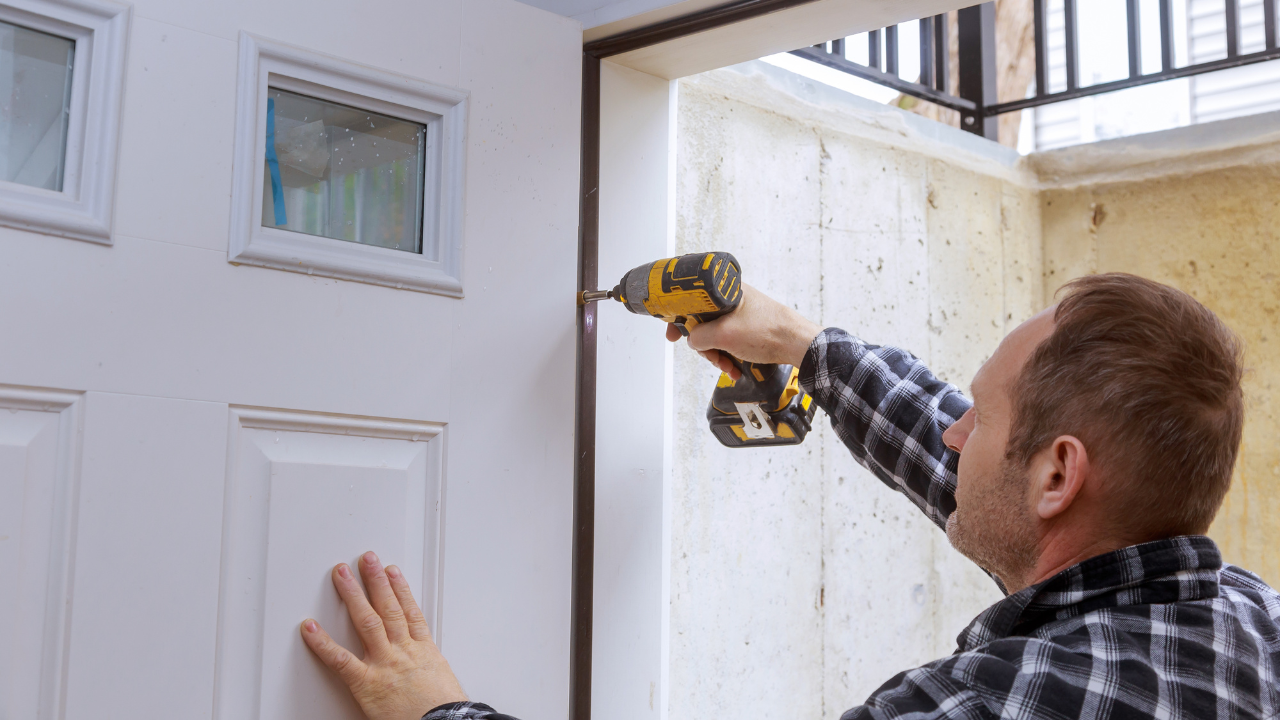
7. Forgetting About Humidity and Material Expansion
Wood doors can expand and contract based on humidity.
Common mistake:
Installing tight-fitting doors in summer or winter without accounting for seasonal movement.
What happens:
- Sticking
- Doors rubbing on the jambs
- Paint or finish damage
How to avoid it:
Leave proper clearances; a tight fit is not always the best idea when hanging doors. Always allow some space around the door and jambs to accommodate for changing atmospheric humidity.
8. Rushing the Casing & Final Touches
Even a perfectly installed door can look amateur if the finishing work isn’t done with care.
Common mistake:
Rushing caulking, cutting miters too quickly, or installing casing before checking wall level.
What happens:
- Visible gaps
- Uneven edges
- Misaligned trim or reveals
How to avoid it:
Take your time with the finish. High-quality casing, trim, and caulking around the miter joints make the door look professionally installed, even if it was a DIY project.
Final Thoughts
Door installation requires accuracy, patience, and the right materials, not guesswork. Whether you’re working with pre-hung doors, slab doors, craftsman trim, or custom jambs, avoiding these common mistakes will ensure your door operates smoothly and looks great for years.
If you need the right interior doors, trim, casing, jamb kits, or custom millwork, Royal Door and Trim Supplies has over 15,000 doors in stock and offers complimentary, no-obligation house lot site measures to ensure your installation goes right from the start.
